One founder. One industry. One stack.
I'm building the software stack NZ vehicle rental runs on.
Adam Crouchley. Founder of Dori Media. Owner-operator of Jimny Rentals NZ and Dream Drives. I've run rental fleets on the industry's software and it isn't good enough, so I'm replacing it piece by piece.
Why this industry
NZ rental operators, from one-van outfits to 50-vehicle fleets, mostly run on overseas software built for a different market. It's expensive, clunky and doesn't know what a WoF, RUC or Cook Strait crossing is.
The money leaks are everywhere. Bonds sit in the wrong place. Parking and toll fines land weeks later with no way to pass them on. Vehicles get driven one way and sit empty at the other end.
I run two rental brands myself, so I've paid for every one of these problems. Everything below started as something I built for my own fleet and then productised.
What I'm building
Five products, one connected system. Read it as the operator's journey, from taking a booking to filling an empty leg.
-
01
Glovebox
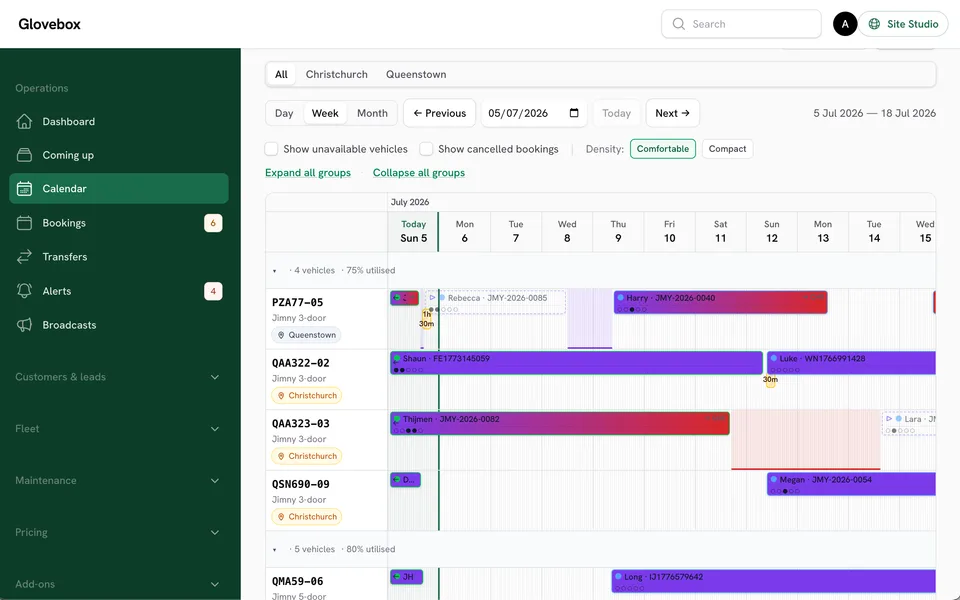
getglovebox.co.nzThe operating system. Bookings, fleet, pricing, payments and a customer site, in one multi-tenant platform built for NZ operators.
-
02
Parked Funds
parkedfunds.co.nzBonds, held properly. It takes the security deposit out of the operator's bank account, and out of the argument.
-
03
FinePass
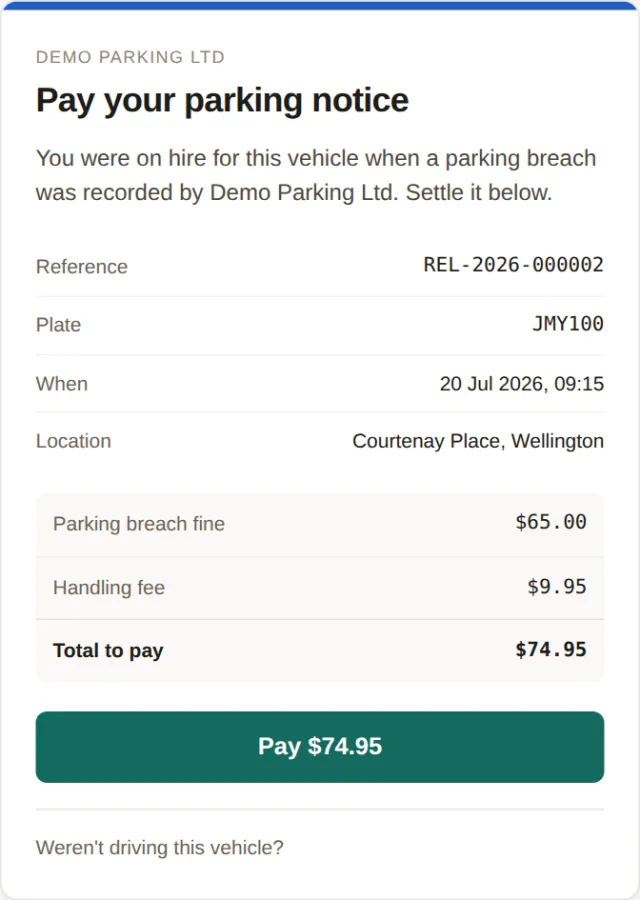
finepass.co.nzInfringement relay. It matches parking and toll notices to the hirer who was actually driving, and passes them on.
-
04
Freelegs
freelegs.co.nzFills the empty legs. A marketplace that repositions rental vehicles by giving travellers free or cheap one-way trips.
-
05
Dori Media
dorimedia.co.nzThe studio behind all of it. Building web software in Christchurch since 2010.
Each one solves a problem I hit running my own fleet. Together they're the stack I wish I'd been able to buy.
Built on my own fleet first
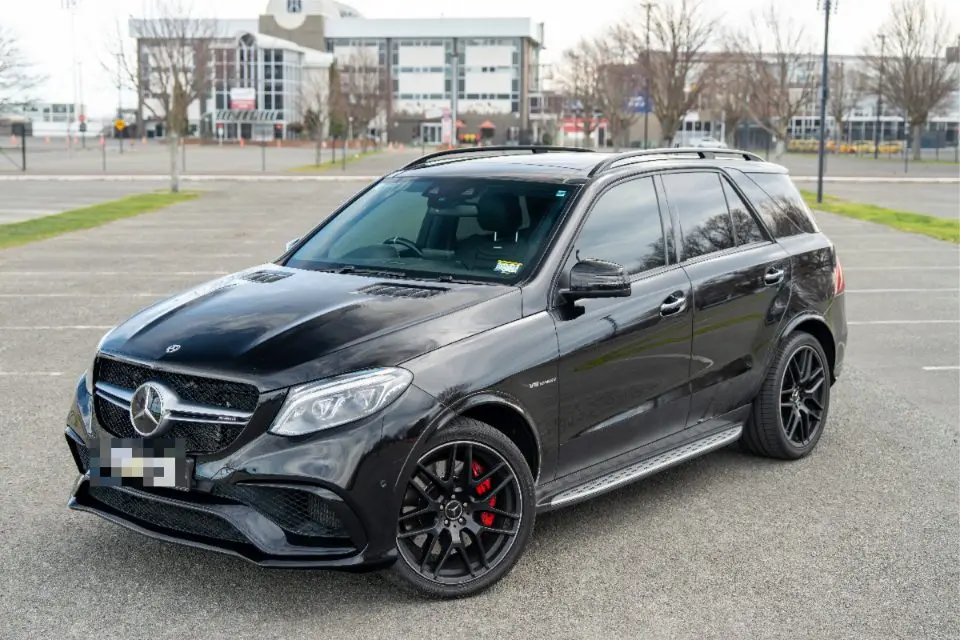
Two rental brands I own and run. Every product above earns its keep on these before anyone else pays for it.
Where it all started
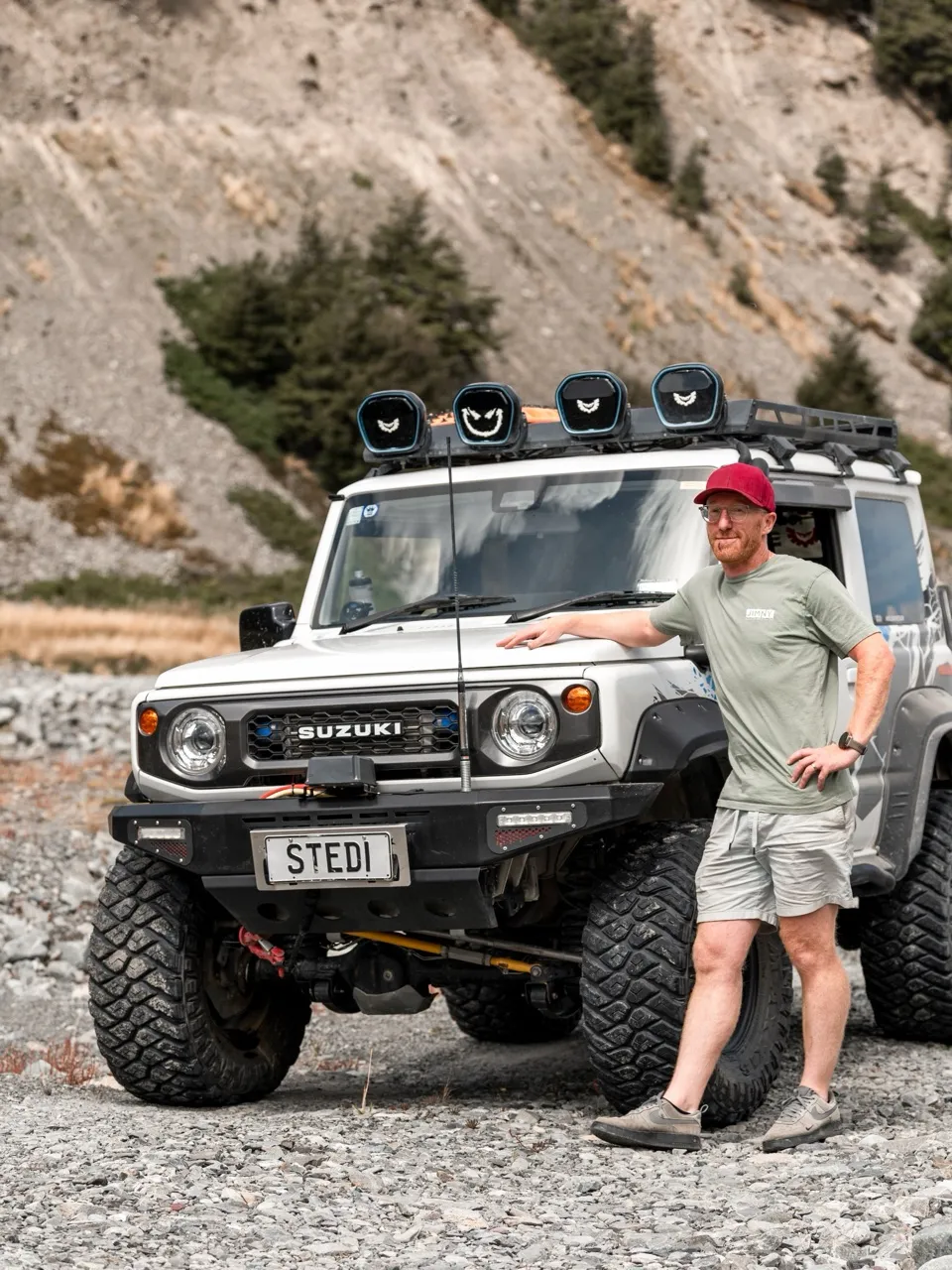
Before any of this was software, it was a small 4x4 and a lot of gravel roads.
The Jimny came first
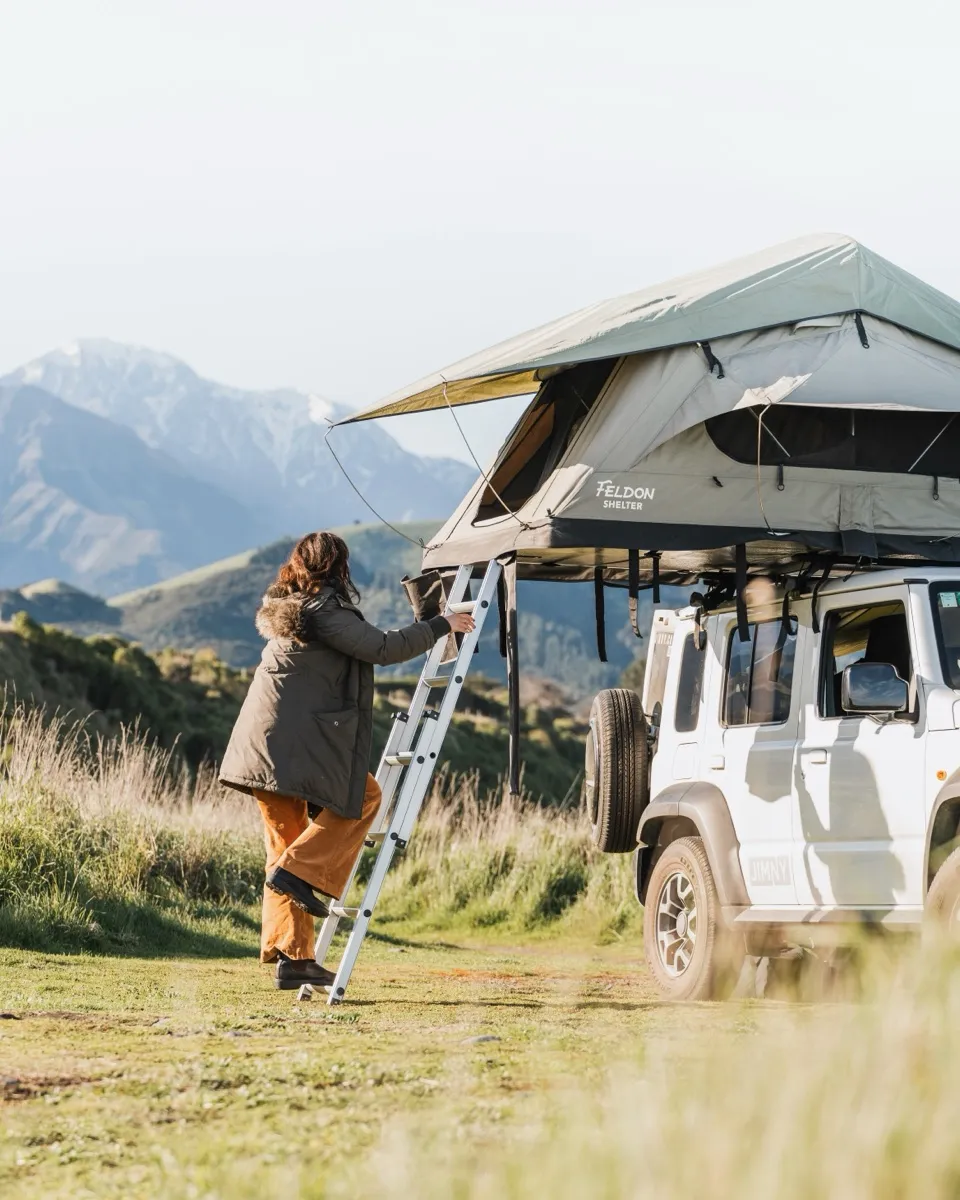
It started with a Jimny and a lot of gravel. I kept pointing a little 4x4 at the parts of the South Island most rentals never reach, and I couldn't stop. Somewhere on one of those trips it stopped being a hobby and became the thing I wanted to build around.
Offerings no one else was making
So I built them. Adventure-ready Jimnys with rooftop tents, kitted for the places people actually want to go, not the airport-to-motel loop the big fleets rent for. Every extra was something I wanted to exist and couldn't buy, so I made it part of the hire.
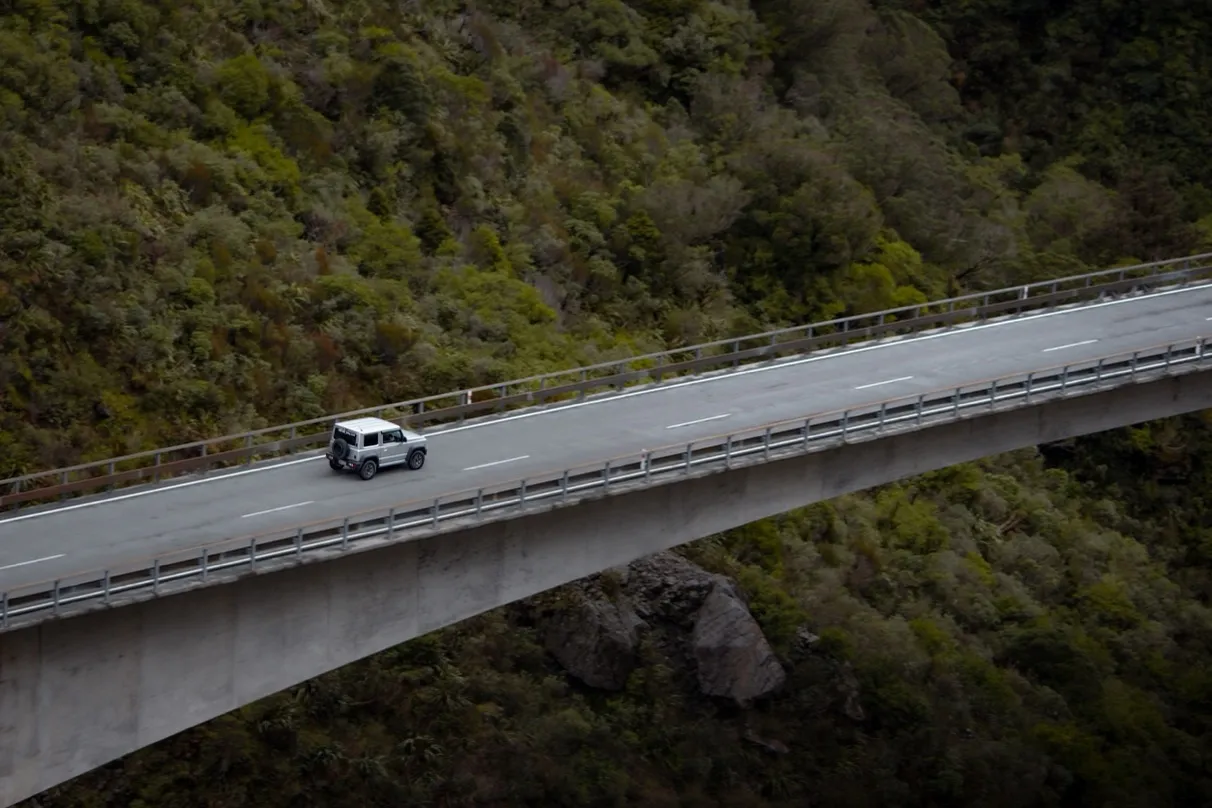
Sharing New Zealand
What I'm really renting out is the country. Handing the keys to a family from down the road, or a couple who flew twelve hours to get here, and knowing they'll come back with the same look I did. Locals and international guests, same roads, same reason.
Running all of that on rental software built for another market is where the frustration started, and where the rest of this page comes from. I'm a Laravel developer in Christchurch and the sole founder of Dori Media, going since 2010. I still test every product on my own bookings before anyone else pays for it.
Dori Media also builds Shopify stores and hosts WordPress sites for New Zealand businesses.
Where this is going
The big rental brands win on scale. One system, cars in every city, buying power a small operator can't match. I don't think that advantage should belong to size.
The goal for the whole stack is shared infrastructure. An operator with five cars should be able to run like one with five hundred. Take a booking anywhere in the country, hand the car off in another city, and have it earn its way back. Freelegs moves the vehicles, Glovebox runs the bookings, Parked Funds and FinePass stop the leaks.
Bring enough small operators together and they can out-cover and out-compete any single big fleet. My job is to build the systems that make that profitable, not just possible.
If you run a rental fleet in NZ, I want to talk to you.
Tell me what your current software gets wrong. That's usually where the next thing I build comes from.